
How do you manage screen time for yourself?
Defining Screen Time
I may have a slightly different idea of what screen time means than the average person because I am disabled and get the majority of my social interaction online.
Types of screen time that I try to eliminate most often are mindless scrolling and doomscrolling. I dislike spending more time consuming content, especially outright negative content, than creating content of my own.
Not to say that I don’t do it. Just to say that when my goal is to reduce my screen time, reducing those things is my primary goal.
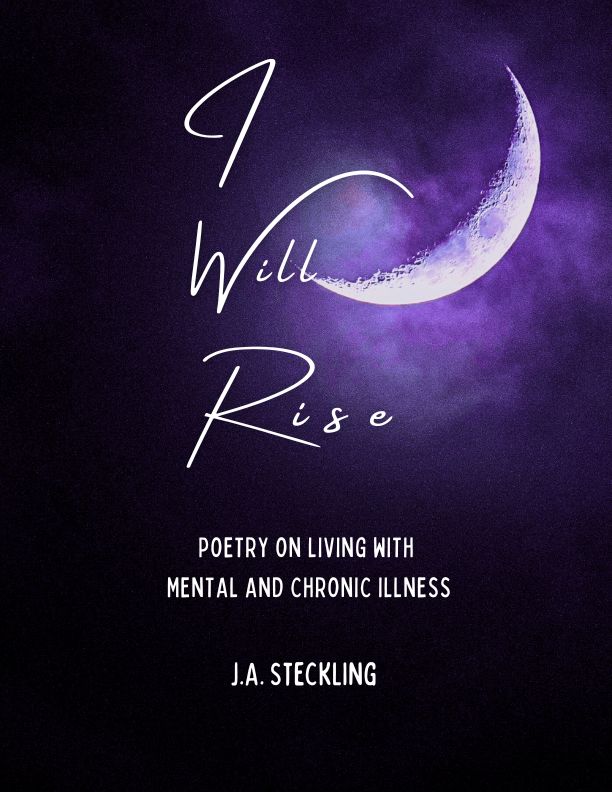
I still create my own graphics to promote my writing, do actual writing and editing, write blog posts, socialize via messaging apps, play games on my phone, read e-books or listen to audiobooks. I am disabled. I don’t get out much. Those things are part of how I enrich my days.
Managing Screen Time
When I’m looking to manage my screen time better, I begin by setting app timers in my phone that prevent me from using apps that I don’t want to be on for too long in any given day.
If that is ineffective, I will straight up delete the apps from my phone for a while so that I can only access them from a browser. I did this for several months with Facebook and Instagram at the end of last year.
I also have stopped trying to run business accounts and pages because I simply don’t have the energy to run them the way I would like to.
When I’m actively working on writing projects, I don’t allow myself on social media apps at all, but I continue using other screens as desired. I find social media too distracting when I am trying to be creative.
What I Don’t Limit
I never limit the amount of time that I spend talking to people remotely via messaging apps. It is imperative for my wellbeing that I stay close to my support network.
Often, I’ll open an app like Facebook to vent, and then I’ll ask myself if it would be better to vent to just one safe person instead.
Likewise, if I get really great news, it brings me so much joy to share that with my close friends before sharing it with everyone else that I have on my social media. Putting my loved ones first in this way also strengthens our connection, which is very important to me.
I never limit how much I create. I have too many difficulties creating as it is to limit how much time I spend looking at a computer screen trying to bring my ideas to life when inspiration strikes!
I also never limit how much I play games on my phone. Chronic pain requires some distraction, and chronic fatigue leaves me in bed a lot of the time. I don’t always have the brain power to create or the concentration to read, and games on my phone are a nice way to stay entertained.
Likewise, I never limit how much I watch movies or TV shows that comfort or inspire me. I will limit how much I watch stuff that does neither, but again, sometimes I just need distraction from the fact that I’m sick, in pain, and stuck in bed.
Lastly, I never limit my e-book or audiobook consumption.
Ending Shaming
A lot of people who are blessed with their health shame those of us with disabilities for spending so much time connected to various devices, screens, or apps.
I write posts like this to remind people that individuals will have individual needs in order to thrive. Digital connection is crucial for so many of us that struggle to leave our houses. Consumption of media on a screen is often our only escape from our everyday lives stuck at home.
I’m extremely blessed that my disability is dynamic and I’m often able to get out for short windows of time to go for walks around my neighborhood or take a quick trip to the store, but that’s not true of everyone. Some people are literally or very nearly bedbound all of the time, and getting through each day without a screen is to live in complete social isolation.
Changing the Narrative
In summary, those of us with some kinds of disabilities are going to be entirely incapable of just giving up a screen for a weekend and going out and doing fun activities, though we would probably love the opportunity more than words can express. It is unfair and cruel to shame us for things out of our control. It is unfair and cruel to call us lazy or accuse us of not trying to have a ‘real life’ (or any variation of that phrase) when we have to rely heavily on screens for social support or other forms of human connection.
Social isolation is a consequence of disability, but not one that we choose. It is a leading cause for depression among those of us who have some types of disabilities or chronic illnesses. For those of us who feel that most heavily, our most meaningful connections often occur in fiction, or long-distance, or through a screen in another form.
While limiting certain types of screen time or certain kinds of media consumption can be beneficial for health and wellbeing, eliminating it entirely is simply impossible for some of us. I wish that we could just eliminate the narrative that to live a full life you need to regularly disconnect from screens or limit screen time. Instead, I would like the narrative to be that purposeful use of screen time to increase health and wellbeing is, in fact, a good thing for many people – and not just those of us who live with disabilities of some kind. There are many reasons that one might struggle with finding the right people nearby, and everyone deserves connection and community if they want it.



 J.A. Steckling
Leave a comment